Field Reference
Herbicide Field Imagery
Illustrative weed-control and spraying references for the herbicide range. These reference photos support the overview above and are not photographs of Agrospear's own operations.
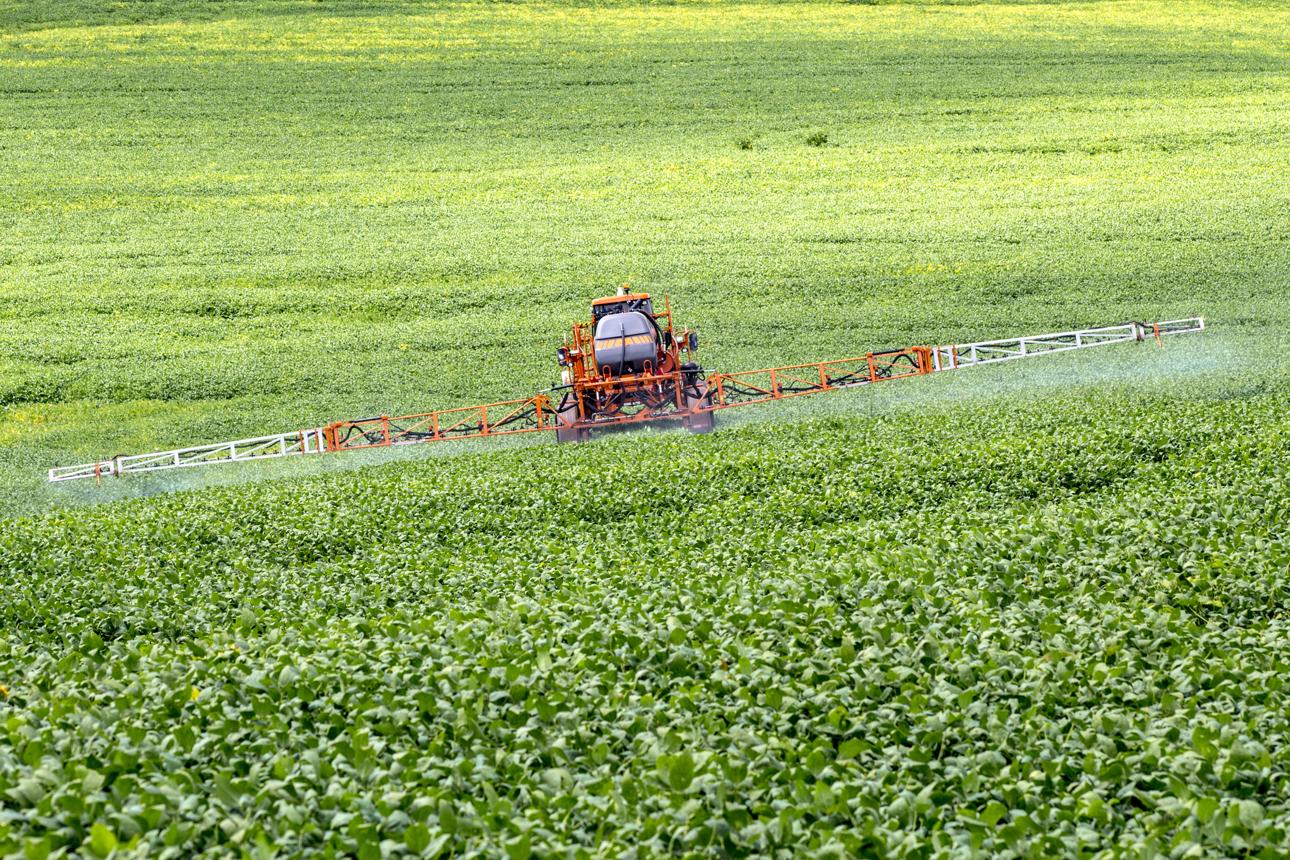
Field Application
Spraying machinery applying crop protection in soybeans
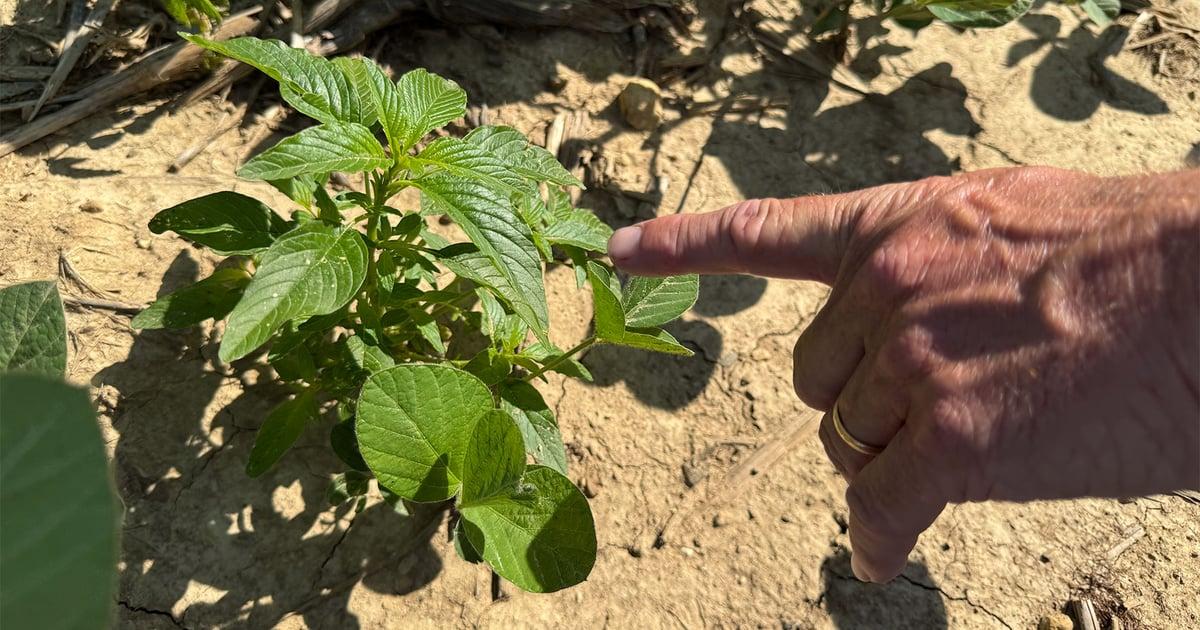
Weed Spectrum
Managing key weeds in soybean cropping
Illustrative imagery — not Agrospear field photography.
FAQ
What is the difference between selective and non-selective herbicides?+
Selective herbicides target specific weed species while leaving the crop unharmed — for example, nicosulfuron in maize. Non-selective herbicides such as glyphosate and glufosinate control all vegetation and are used for burndown, stale seedbed, or non-crop situations. Agrospear manufactures both classes across multiple formulation types.
How does Agrospear address herbicide resistance management?+
We follow the HRAC classification system and design premix or rotational programs that combine AIs from different sites of action. Our R&D team evaluates cross-resistance profiles and recommends tank-mix partners or sequential applications that reduce selection pressure on weed populations.
Which herbicide formulations does Agrospear produce?+
We manufacture Suspension Concentrates (SC), Emulsifiable Concentrates (EC), Water-Dispersible Granules (WDG), Wettable Powders (WP), and Soluble Liquids (SL). Formulation choice depends on the active ingredient properties, target application method, and regional registration preferences.
What MOQ tiers are available for herbicide products?+
Sample orders start at 1–4 t for registration trials, pilot runs at 5 t, and standard production orders at 20+ t. Volume discounts apply at 50 t and 100 t thresholds. Lead time is 25–35 days from confirmed specification.
When should I choose a pre-emergent over a post-emergent herbicide?+
Pre-emergent residual herbicides are applied before weed germination to suppress early flushes and extend season-long control, while post-emergent products act after emergence, often when weeds are small. Many programmes pair a residual base with a post-emergent partner, and we design premixes to match that split.
How do glyphosate and glufosinate compare for burndown?+
Glyphosate is a systemic, non-selective herbicide ideal for plantation and pre-sowing burndown, while glufosinate acts more rapidly with contact activity and is often preferred where glyphosate resistance is present. Both are manufactured as SL formulations and can be combined with residual partners.
How do you design HRAC-compliant premixes?+
We pair actives from different sites of action — for example a Group 4 auxin with a Group 9 EPSPS or a Group 27 HPPD — so that a single application delivers overlapping mechanisms that reduce selection for resistant weed biotypes. Compatibility and stability are validated before pilot production.
Which formulation type suits my herbicide market?+
SL suits glyphosate and glufosinate for low-cost liquid markets; SC and WDG suit high-loading actives with low dust and strong adhesion; EC suits lipophilic actives; WP suits cost-sensitive markets. We recommend the type that balances efficacy, handling and regional registration preference.
What registration data do you supply for herbicides?+
We provide five-batch analysis, accelerated and long-term stability, analytical methods, toxicology and residue data, and field-efficacy reports — the complete dossier to register your herbicide brand in your target markets.
What export documentation is included with herbicide shipments?+
Each shipment includes certificate of analysis, certificate of origin, MSDS/SDS, GHS-compliant labelling and phytosanitary documentation, so customs clearance is smooth in your destination market.