Field Reference
Fungicide Field Imagery
Illustrative disease and crop-protection references for the fungicide range. These reference photos support the overview above and are not photographs of Agrospear's own operations.
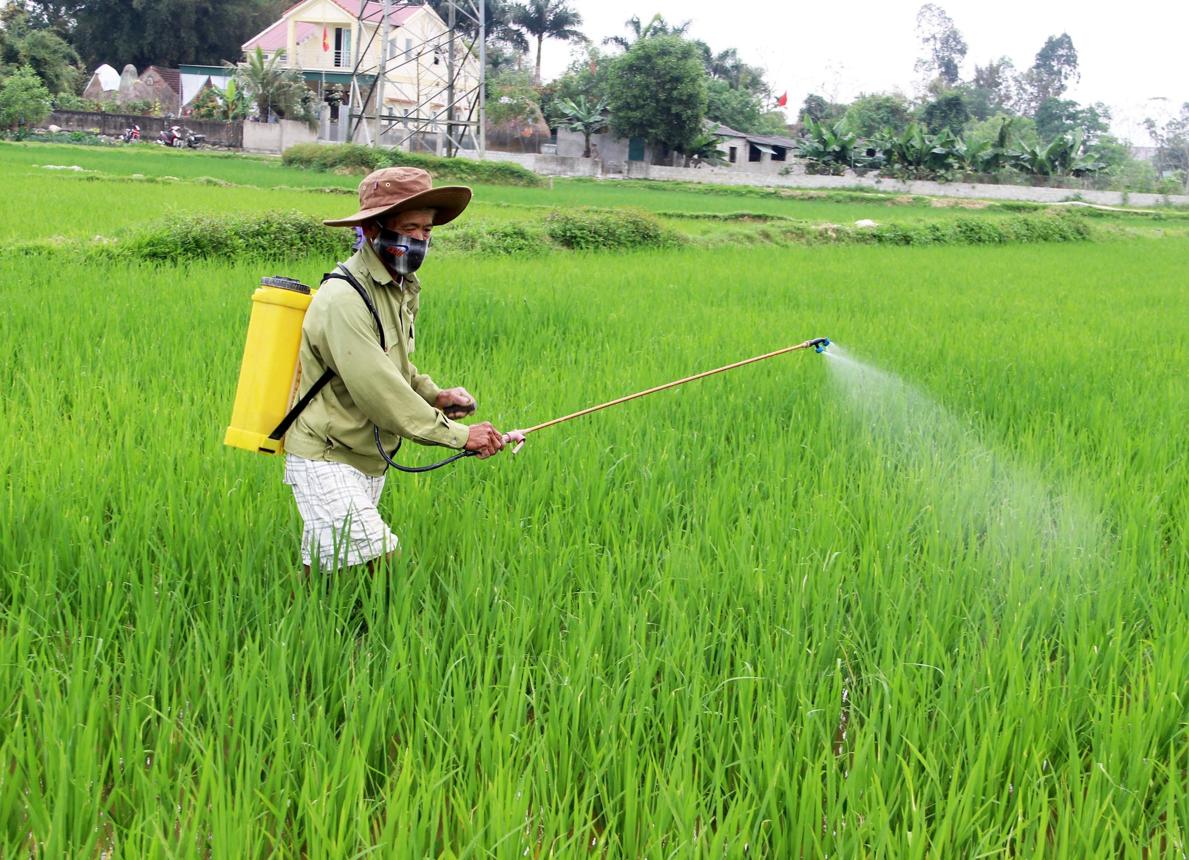
Rice Blast
Rice blast disease on rice
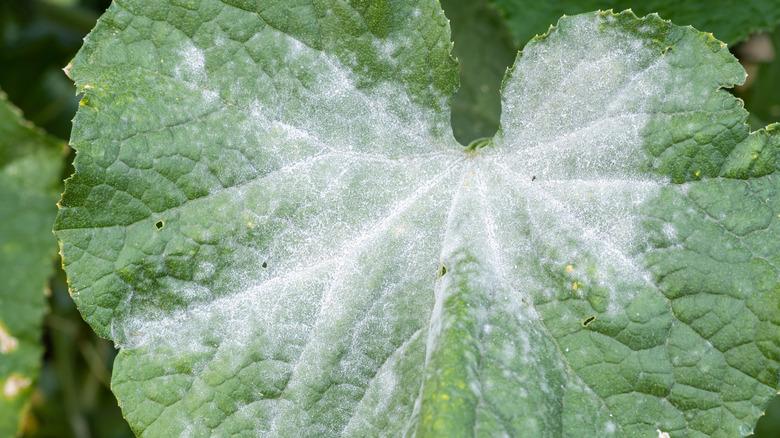
Cucumber Disease
Downy mildew symptoms on cucumber
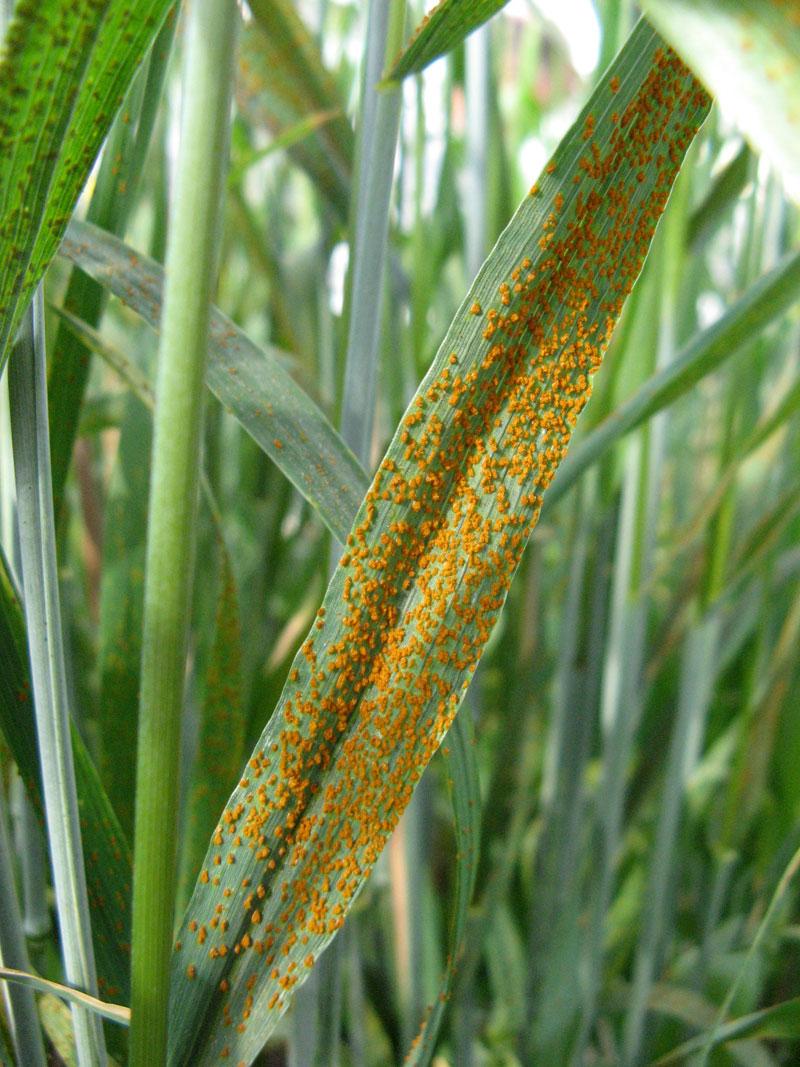
Cereal Rust
Rust on cereal crops
Illustrative imagery — not Agrospear field photography.
FAQ
What is the difference between preventive and curative fungicide action?+
Preventive (protective) fungicides such as mancozeb and chlorothalonil form a chemical barrier on the plant surface before infection occurs. Curative (systemic) fungicides like propiconazole and tebuconazole are absorbed into plant tissue and can arrest early-stage infections that have already penetrated. Effective disease programs typically combine both modes for layered protection.
How does Agrospear manage fungicide resistance?+
We follow FRAC classification and design spray programs that alternate or mix AIs from different mode-of-action groups. For example, pairing a Group M3 dithiocarbamate (mancozeb) with a Group 3 DMI (tebuconazole) in a premix reduces selection for DMI-resistant strains. Our technical bulletins provide partner-specific resistance-risk assessments for key pathogen-crop combinations.
Does Agrospear produce fungicide seed treatment formulations?+
Yes. Our Flowable Concentrates for Seed Treatment (FS) are formulated for uniform film-coat application on cereals, vegetables, and cash crop seeds. FS formulations feature optimized viscosity, low dust-off, and rapid drying for high-throughput seed treatment lines. Common AIs include fludioxonil, metalaxyl, and tebuconazole in single or combination products.
What quality controls apply to fungicide manufacturing?+
Every batch undergoes AI content verification by HPLC, particle-size analysis, suspensibility testing (> 90 % after 30 min for SC/FS), and accelerated stability (54 °C, 14 days). Our GMP-certified facility maintains full batch traceability and retains samples for two years post-shipment.
Which fungicide formulation types do you produce?+
We manufacture Suspension Concentrates (SC), Water-Dispersible Granules (WDG), Wettable Powders (WP), Emulsifiable Concentrates (EC) and Flowable Concentrates for Seed Treatment (FS). The choice is driven by the active, target pathogen, application method and regional registration preference.
What MOQ tiers apply to fungicide orders?+
Sample batches start at 1–4 tons for field trials and registration. Pilot runs start at 5 tons, standard production from 20+ tons, with volume discounts at 50 t and 100 t thresholds. Lead time is 25–35 days from confirmed specification.
Do you support short pre-harvest interval requirements?+
Yes. For fresh-market and export-oriented produce with strict MRL limits, we formulate low-rate, short-PHI fungicides and provide residue data. Our technical team advises on rates and timing that keep treated produce compliant with destination-market residue standards.
Do you produce greenhouse and protected-culture formulations?+
Yes. We develop low-rate, high-efficacy SC and ME formulations for greenhouse vegetables and flowers, with short pre-harvest intervals, minimal phytotoxicity risk, and pH and adjuvant tailoring for substrate-grown and hydroponic systems.
What registration data do you supply for fungicides?+
We provide five-batch analysis, accelerated and long-term stability, analytical methods, toxicology and residue data, and field-efficacy reports — the complete dossier for registering your fungicide brand in your target markets.
What is the shelf life of your fungicide formulations?+
Most SC, WDG, WP and FS fungicide formulations carry a 2-year shelf life under recommended storage, supported by accelerated and long-term stability data provided in the technical package.