Field Reference
Insecticide Field Imagery
Illustrative application and pest references for the insecticide range. These reference photos support the overview above and are not photographs of Agrospear's own operations.
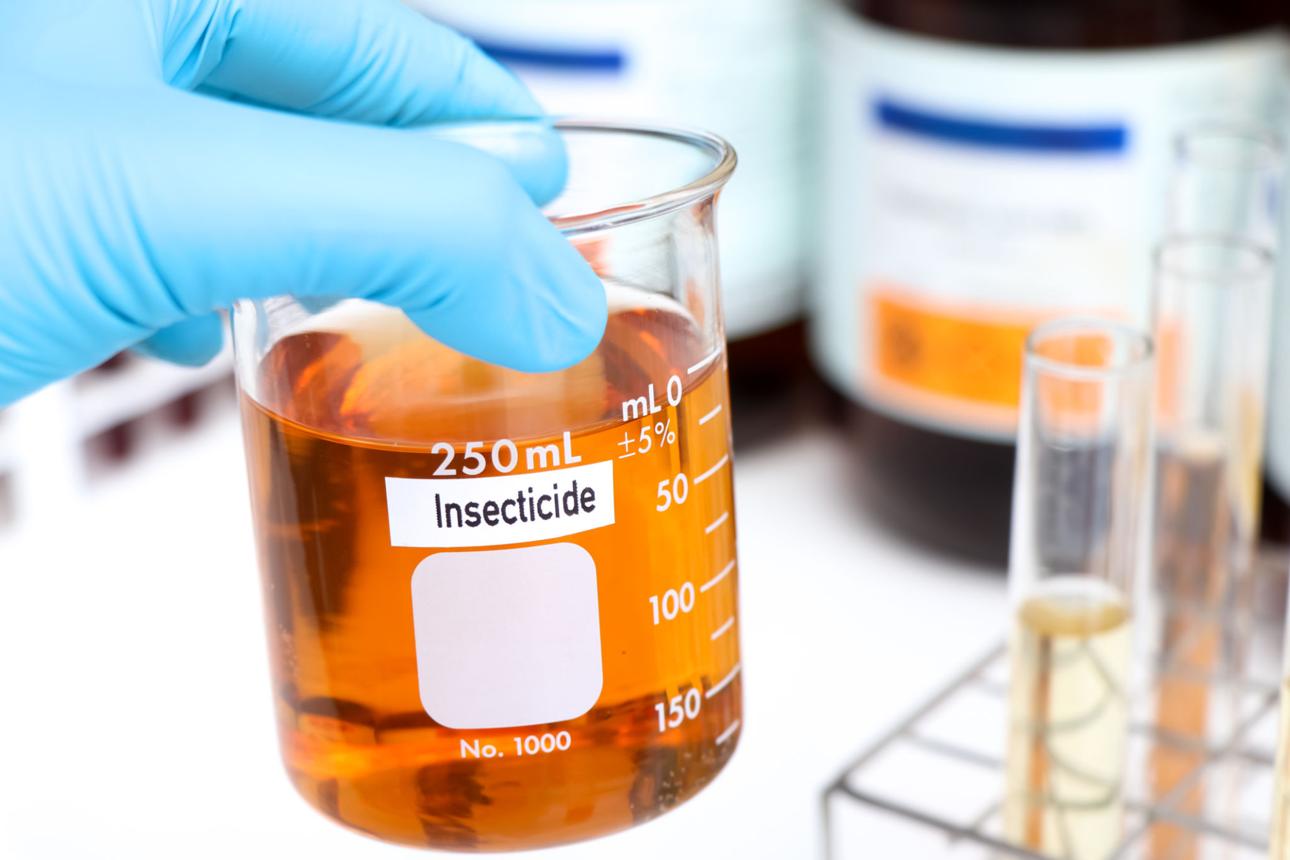
Field Application
Crop protection application in an orchard
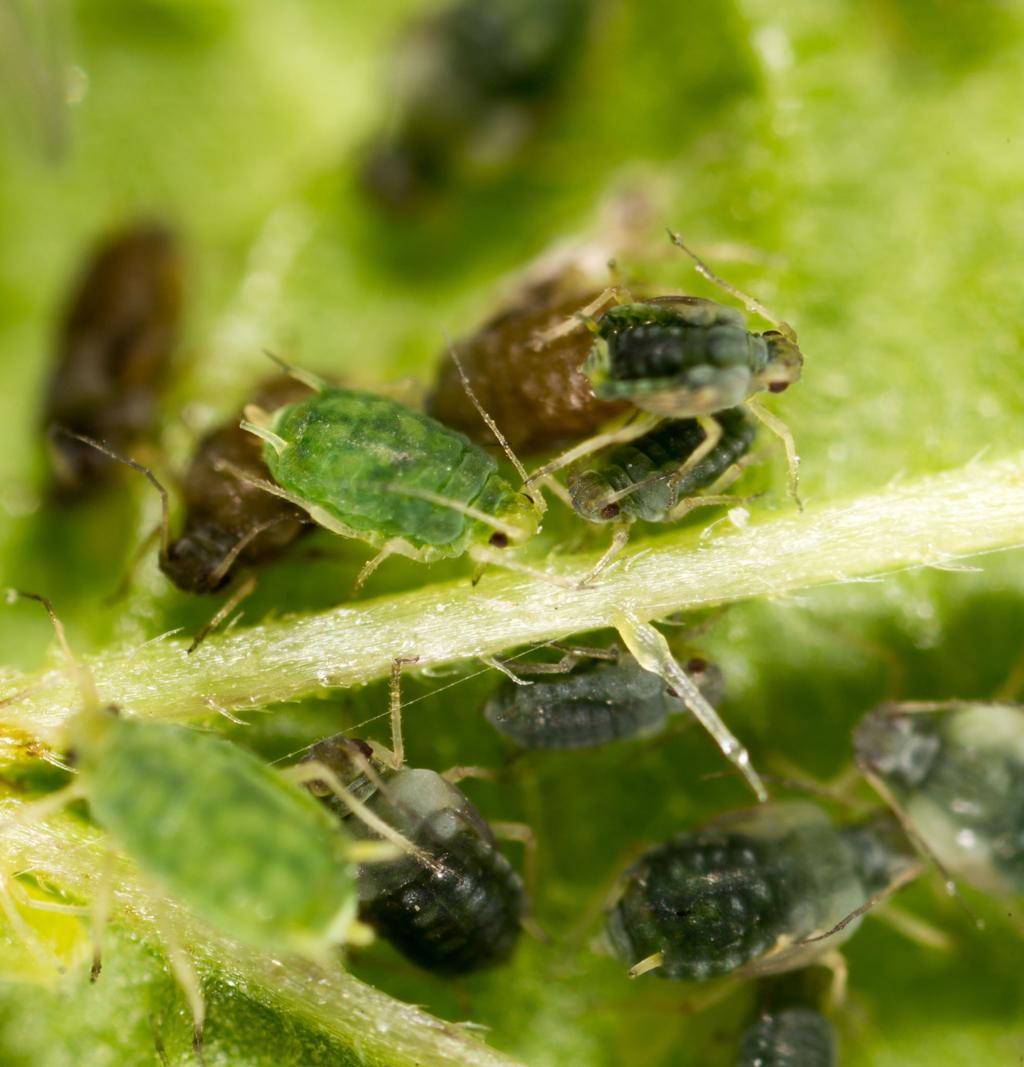
Aphids
Aphid infestation on plant tissue
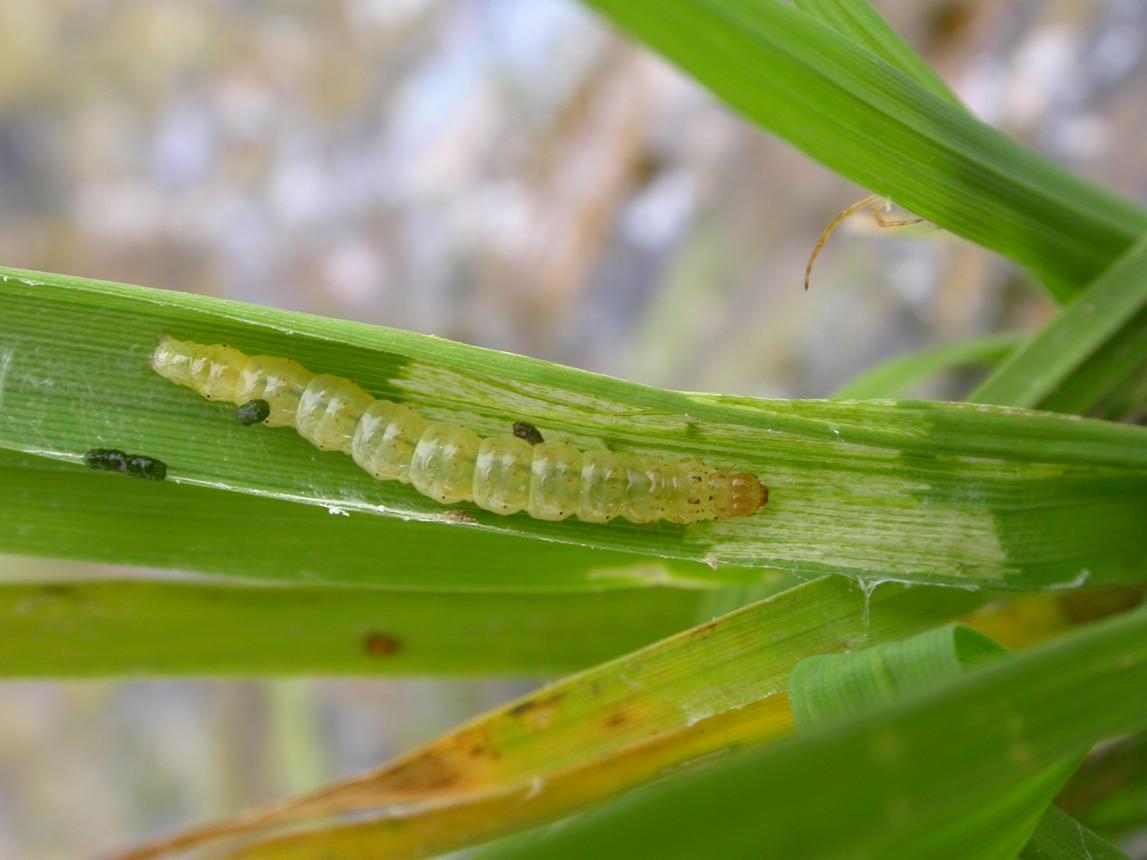
Rice Planthopper
Planthopper pest on rice
Illustrative imagery — not Agrospear field photography.
FAQ
What are translaminar insecticides and when are they preferred?+
Translaminar insecticides such as abamectin and emamectin benzoate penetrate leaf tissue and form a reservoir within the mesophyll, controlling pests that feed on the undersides of leaves where spray coverage is limited. They are preferred in crops with dense canopies — cotton, vegetables, fruit trees — where thorough contact coverage is impractical.
How does Agrospear support insecticide resistance management?+
We follow IRAC Mode of Action classification and develop premix and rotation programs that pair AIs from different groups. For example, combining a Group 3A pyrethroid with a Group 4A neonicotinoid, or a Group 6 avermectin with a Group 1B organophosphate, reduces selection pressure and prolongs field efficacy.
Can Agrospear formulate insecticides for vector control programs?+
Yes. We manufacture residual spray formulations (WP, SC) for indoor residual spraying (IRS) and space spray concentrates for mosquito vector management. These products meet WHO-PQ specifications where applicable and can be tailored for public health procurement programs.
What formulation types are available for insecticides?+
We produce Suspension Concentrates (SC), Emulsifiable Concentrates (EC), Water-Dispersible Granules (WDG), and Micro-Emulsions (ME). ME formulations are particularly effective for systemic neonicotinoids, offering enhanced leaf penetration and reduced photodegradation.
What is the minimum order for insecticide production?+
Sample orders: 1–4 t for field trials and registration. Pilot orders: 5 t for market entry. Standard production: 20+ t with volume pricing tiers at 50 t and 100 t. Typical lead time is 25–35 days.
What is the difference between contact and systemic insecticides?+
Contact insecticides act where they land, controlling pests present at application, while systemic insecticides are absorbed into the plant and control pests feeding on treated foliage or plant sap. Many programmes use a systemic base for prolonged control plus a contact partner for knockdown, and we formulate premixes that combine both chemistries.
Which active suits chewing versus sucking pests?+
For chewing pests (lepidopteran larvae, beetles) we often use emamectin benzoate, lambda-cyhalothrin or spinosad-type actives; for sucking pests (aphids, whiteflies, thrips, mites) systemic neonicotinoids such as imidacloprid and thiamethoxam, or translaminar avermectins such as abamectin. We recommend based on your pest spectrum, crop and IRAC rotation plan.
What registration data do you supply for insecticides?+
We provide five-batch analysis, accelerated and long-term stability, analytical methods, toxicology and residue data, and field-efficacy reports — the complete dossier to register your insecticide brand in your target markets.
What is the shelf life of your insecticide formulations?+
Most SC, EC, WDG and ME insecticide formulations carry a 2-year shelf life under recommended storage, supported by accelerated stability testing (54 °C) and long-term stability data included in the technical package.
What export documentation is included?+
Each shipment includes certificate of analysis, certificate of origin, MSDS/SDS, GHS-compliant labelling and, where needed, phytosanitary documentation so customs clearance is smooth in your destination market.